
748: Robotic reconstruction of sympathetic nerve- Shaiwal Khandelwal
This is one of the entries accepted for adjudication for the 2026 KS Innovation Awards, sponsored by the Vattikuti Foundation. Posting here does not imply being a Finalist.
Here is the Abstract:
Title: Robotic reconstruction of sympathetic nerve
Subtitle: Microsurgical reconstruction using vascularized intercostal
nerve grafts after endoscopic thoracic sympathectomy (ETS)
Purpose:
Endoscopic thoracic sympathectomy (ETS) is an established treatment
for severe palmar and craniofacial hyperhidrosis and facial blushing.
Persistent sympathetic denervation, however, may result in disabling
compensatory sweating, neurological and thermoregulatory disturbances with substantial impact on quality of life. We demonstrate a novel technique of restoring the sympathetic nerve continuity by robotic sympathetic nerve reconstruction using pedicled vascularized intercostal nerve grafts, including reconstruction following extended
sympathectomy.
Methods:
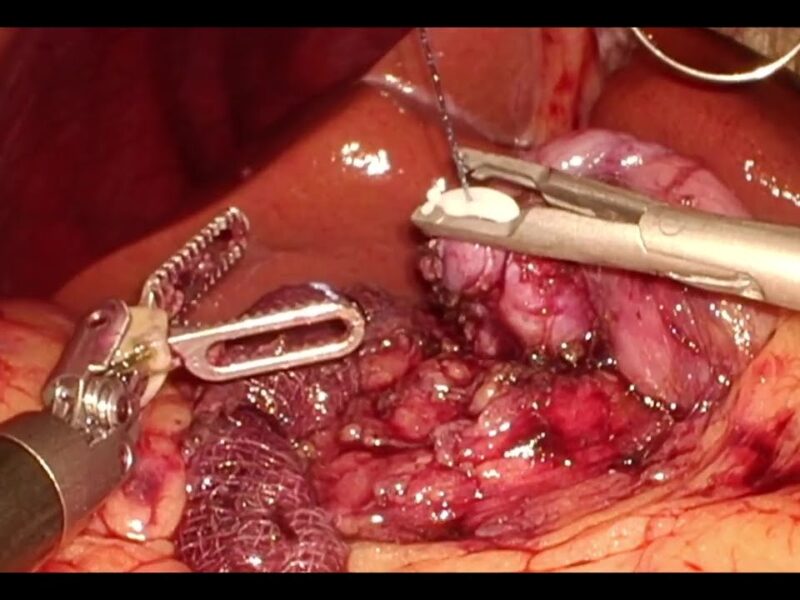
Two robotic reconstructions are presented. Both patients underwent bilateral surgeries. In the first, the left sympathetic nerve was reconstructed using a pedicled vascularized fifth intercostal nerve graft. In the second, following extended sympathectomy for truncal
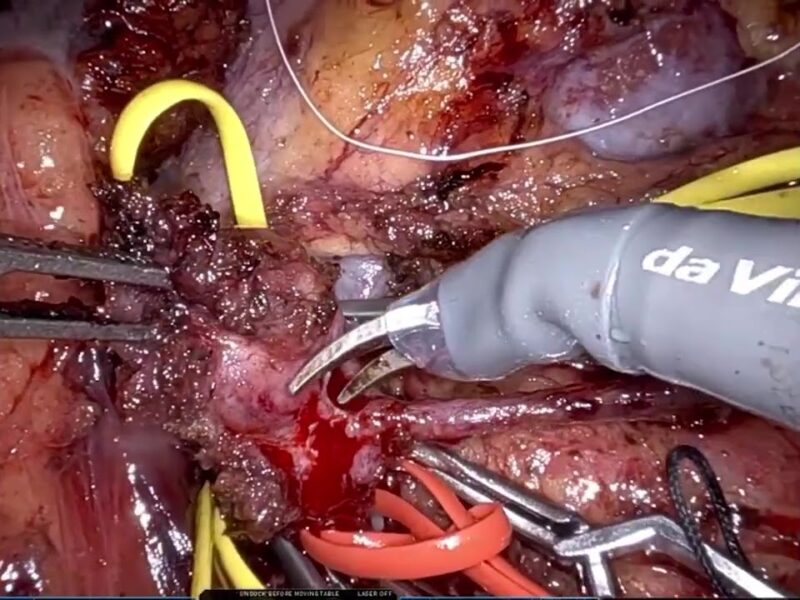
compensatory sweating, reconstruction was performed using pedicled vascularized fifth and sixth intercostal nerve grafts on both right side. The sympathetic nerve stumps were identified and freshened. Intercostal nerve grafts were harvested preserving their vascular
supply, interposed to the sympathetic nerve defects and coapted using 8-0 microsutures.
Vascularity of grafts was verified by ICG perfusion. Fibrin glue was applied over nerve coaptation sites and along the graft.
Results:
Both patients reported substantial improvement in symptoms and quality-of-life scores following reconstruction.
Conclusions:
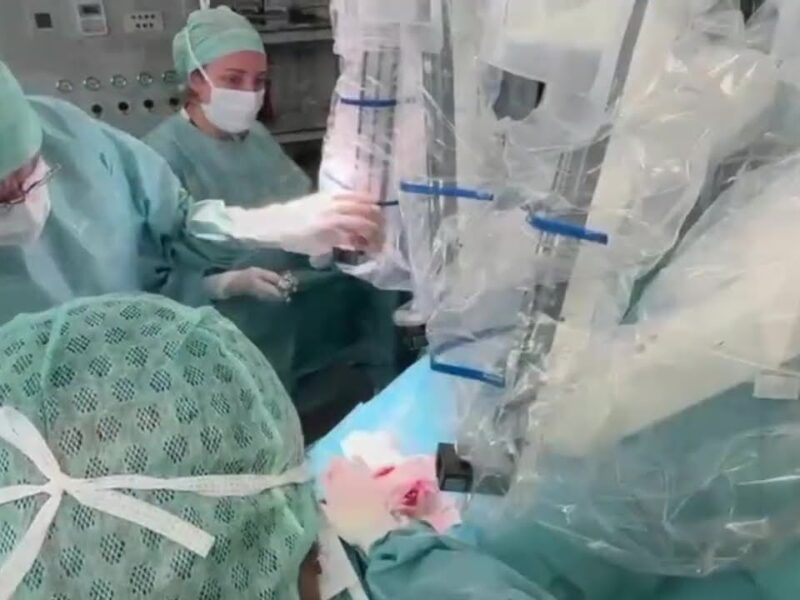
Robotic sympathetic nerve reconstruction using pedicled vascularized intercostal nerve grafts is a viable option to the patients suffering patients with debilitating sequelae of sympathectomy and extended sympathectomy. The da Vinci robotic system provided high-
definition three-dimensional magnification and articulated instrumentation for precise dissection and microsurgical nerve coaptation within the confined apical thoracic space.
Presenting Author: Dr Shaiwal Khandelwal, Director, Thoracic Surgery
Institution: Max Super Specialty Hospital, Saket, New Delhi, India
Email: shaiwal@hotmail.com
See more at: http://vattikutifoundation.com/
Date
August 15, 2020