
764: Youssef Syndrome Unveiled: Robotic Precision Repair of Uterovesical Fistula- Sanjoy Sureka
This is one of the entries accepted for adjudication for the 2026 KS Innovation Awards, sponsored by the Vattikuti Foundation. Posting here does not imply being a Finalist.
Here is the Abstract:
Title: Youssef Syndrome Unveiled: Robotic Precision Repair of Uterovesical Fistula
Subtitle: Da Vinci–assisted multilayer closure with omental interposition and peritoneal coverage
Producer: Dr. Sanjoy Sureka
Affiliation: Department of Urology and Renal Transplantation, Sanjay Gandhi Post Graduate Institute of Medical Sciences (SGPGI), Lucknow, India.
Email: drsksureka@gmail.com
Objective:
To demonstrate a precision-based robotic approach to uterovesical fistula repair, emphasizing early intraoperative identification, meticulous separation of bladder and uterine defects, separate suturing, and vascularized tissue interposition.
Materials:
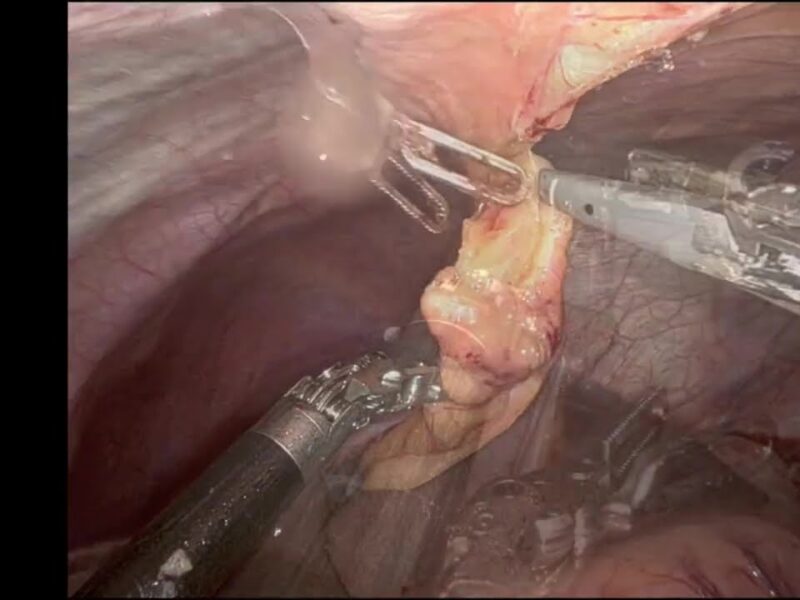
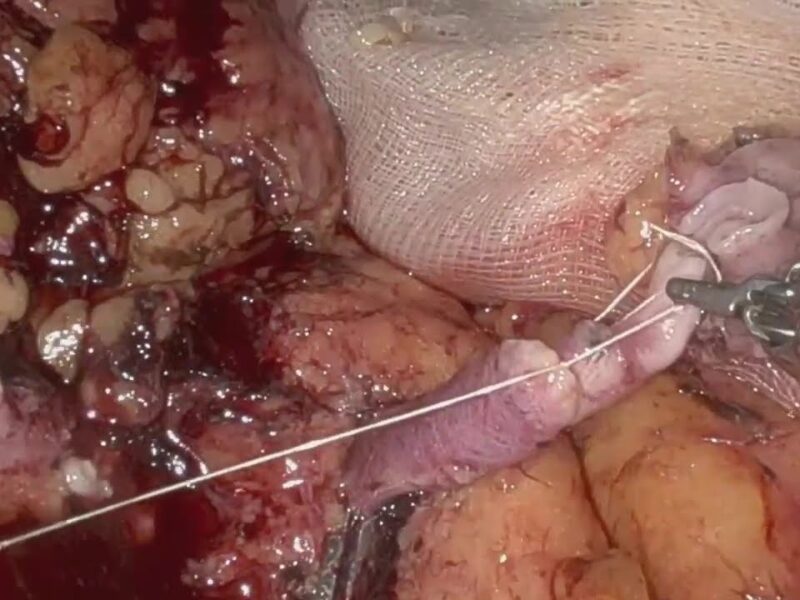
A 34-year-old woman with previous LSCS presented with cyclical hematuria with clots and intermittent urinary dribbling per vagina. Imaging demonstrated a vesico-uterine fistula, while cystoscopy revealed a 3 × 3 cm defect between the posterior bladder wall and uterus with normal ureteric orifices. The classical presentation of uterovesical fistula is described as Youssef syndrome, characterized by cyclical hematuria, amenorrhea, and absence of urinary incontinence; however, amenorrhea was not documented in this case. Robotic repair was performed using the Da Vinci system. Dense adhesions were meticulously released, the fistula was identified early, and the bladder
and uterine defects were separately sutured. A vascularized omental flap was interposed, followed by peritoneal coverage of the bladder side.
Results:
The Da Vinci system provided enhanced three-dimensional visualization, magnification, wristed instrumentation, and precise intracorporeal suturing. Early identification of the fistulous tract and ureteric orifices facilitated controlled dissection and anatomical reconstruction. The postoperative course was uneventful, with drain and vaginal pack removal on postoperative day one. The patient was discharged stable with a urethral catheter.
Conclusion:
Da Vinci–assisted repair enables precise anatomical reconstruction of uterovesical fistula. Early identification, separate closure of both defects, omental interposition, and peritoneal bladder
coverage provide a robust multilayer repair while demonstrating the value of robotic precision in complex pelvic fistula surgery.
See more at: http://vattikutifoundation.com/
Date
August 15, 2020