
736: Robotic preperitoneal mesh repair for abdominal wall hernias- Rajesh Kochupapy
This is one of the entries accepted for adjudication for the 2026 KS Innovation Awards, sponsored by the Vattikuti Foundation. Posting here does not imply being a Finalist.
Here is the Abstract:
Robotic preperitoneal mesh repair for abdominal wall hernias: a
100-patient series
Video title: Robotic preperitoneal mesh repair for abdominal wall hernias
Presenting author: Mr T. K. Rajesh
Institution: University Hospitals Plymouth NHS Trust
Email: Tkrajesh@nhs.net
Purpose
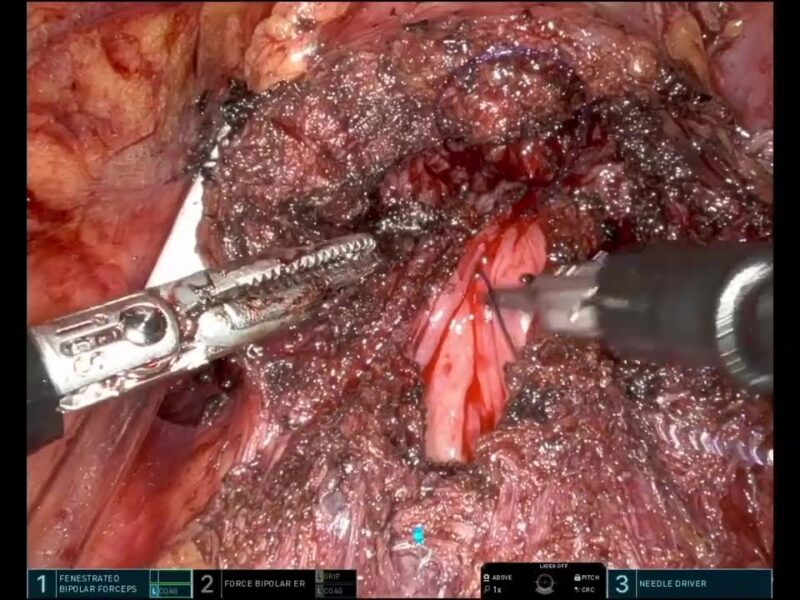
To evaluate the feasibility and short-term outcomes of robotic preperitoneal repair for abdominal wall hernias. The technique utilizes the dexterity and precision of the robotic platform to develop the thin
preperitoneal layer, permitting placement of permanent polypropylene mesh while completely extraperitonealizing the prosthesis and separating it from the abdominal viscera.
Methods
A retrospective review was undertaken of the most recent 100 consecutive patients undergoing robotic preperitoneal hernia repair. The operative principle consisted of robotic development of the
preperitoneal plane, reduction of the hernia, closure of the defect where appropriate, wide placement of polypropylene mesh, and complete restoration of the peritoneal layer over the prosthesis. The series included a spectrum of groin and abdominal wall hernias. Outcomes assessed included feasibility of preperitoneal mesh placement, perioperative complications and same-day discharge.
Results
Preperitoneal mesh placement with complete peritoneal coverage was successfully achieved in all 100 patients. There were no recorded perioperative complications in this series. All 100 procedures were
completed as day-case surgery, with patients discharged on the day of operation.
Conclusions
Robotic surgery facilitates precise utilization of the preperitoneal layer for abdominal wall reconstruction. Complete extraperitonealization permits permanent polypropylene mesh placement without direct visceral contact, potentially reducing mesh-related adhesions while avoiding intraperitoneal fixation. In this 100-patient series, the technique was feasible, complication-free and compatible with same-day discharge.
See more at: http://vattikutifoundation.com/
Date
August 15, 2020