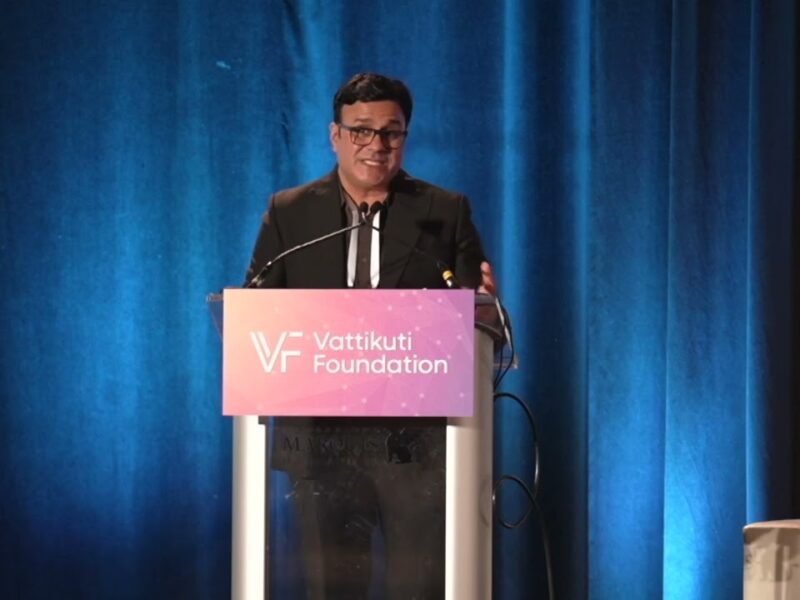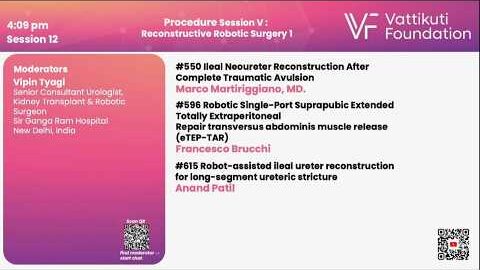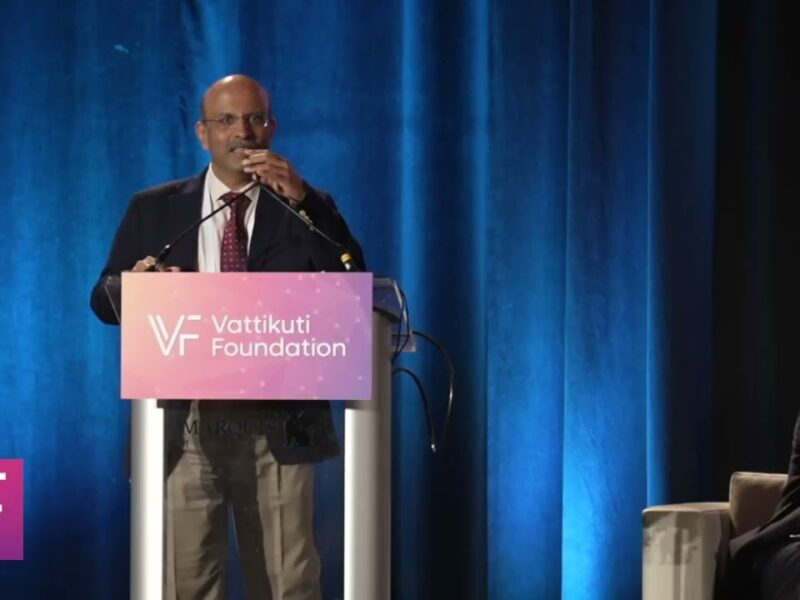

Miami Day 1 Session 3 : Technology Track
The Vattikuti Foundation presented the 2026 Innovation in Medicine Summit and KS International Innovation Awards April 10–11, 2026, at the JW Marriott Marquis, Miami, Florida.
This year’s program is one of the most forward-looking yet. The two-day event brings together surgeons, engineers, and innovators from across the globe.
Friday’s Technology Sessions open with dedicated AI blocks covering diagnostic tools for pancreatic cancer detection, machine learning for clinical outcome prediction, and vision-language models that understand surgical procedures in real time. Augmented reality combined with digital pathology guidance during robotic prostatectomy pushes the boundaries further, and the day closes with a keynote session on the digital and AI-assisted operating room of the future. This video is of the third session, Technology Track is moderated by Prof. Nikhil Vasdev and Dr. B M Zeeshan Hameed.
Discussion, presentations with videos and PowerPoints, 28:15
See more at: https://vattikutifoundation.com/videos/
Date
August 15, 2020