
740: Bench Partial Nephrectomy with complex vasculature during RAKT- Ritesh Goel
This is one of the entries accepted for adjudication for the 2026 KS Innovation Awards, sponsored by the Vattikuti Foundation. Posting here does not imply being a Finalist.
Here is the Abstract:
Video Title: Bench Partial Nephrectomy with complex
vasculature during RAKT.
Presenting Author: Dr Ritesh Goel
Institute: Max Super-Speciality Hospital, Saket, New Delhi, India
E-mail ID : ritesh0391@yahoo.co.in
Purpose:
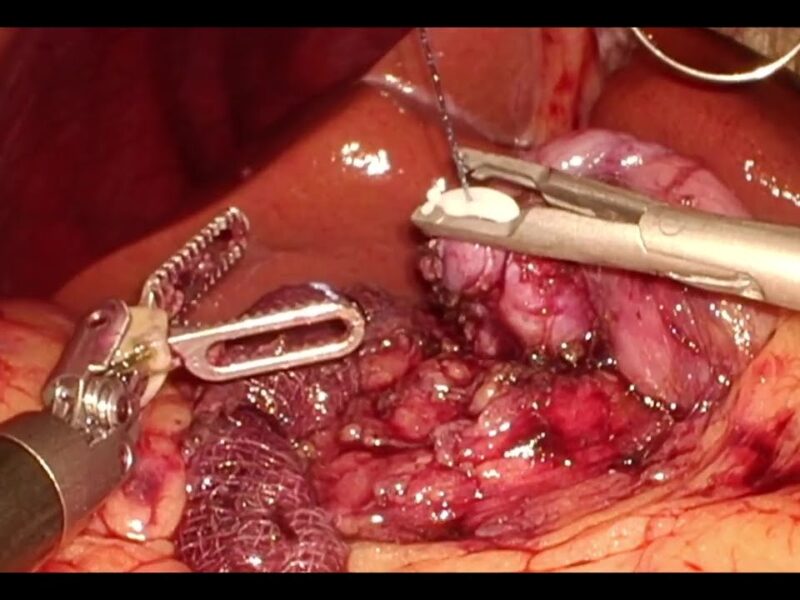
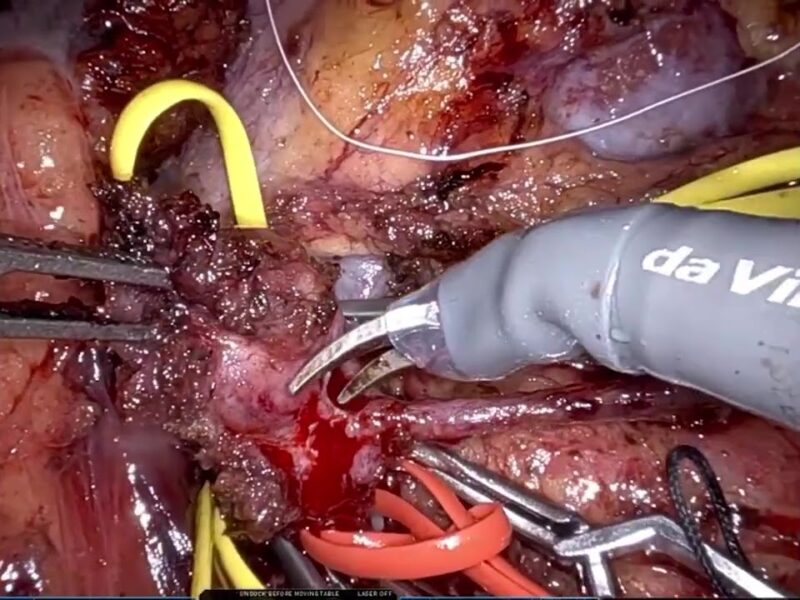
Renal grafts with multiple vessels and small renal masses pose unique technical and oncological challenges. We present a RAKT case with internal iliac artery interposition graft reconstruction and bench enucleation of a 2-cm renal angiomyolipoma. This combined approach may safely expand the utilization of otherwise unsuitable donor kidneys.
Case Summary/Methods:
A 40-year-old female donor with three right renal arteries and a 2-cm AML underwent laparoscopic right donor nephrectomy with bench AML excision and frozen-section confirmation. The two main arteries were reconstructed in pantaloon fashion to an internal iliac artery graft, with the lower polar artery anastomosed end-to-side. The reconstructed graft was transplanted robotically with a 38-minute warm ischemia time and satisfactory graft function (creatinine 0.8 mg/dL); the recipient was discharged on POD 7.
In our series, 14 donors had incidentally detected small renal masses; all underwent laparoscopic nephrectomy with bench excision and negative margins confirmed on frozen section.
Results: On histopathological examination 6 were reported as renal cell
carcinoma, 4 angiomyolipomas, 2 each of oncocytoma, and papillary adenoma.
After a median follow–up of 30 months there was no recurrence of mass in the recipients. All recipients have stable graft function.
Conclusion:
Bench vascular reconstruction of multiple renal arteries combined with excision of small renal masses may facilitate the safe utilization of complex donor kidneys for robotic transplantation, while minimising warm ischemia time. This approach appears feasible and may expand the living-donor pool, but careful donor selection and long-term oncological follow-up remain essential.
See more at: http://vattikutifoundation.com/
Date
August 15, 2020