
706: Robotic reconstruction of complex neurogenic bladder-Ayushi Vig
This is one of the entries accepted for adjudication for the 2026 KS Innovation Awards, sponsored by the Vattikuti Foundation. Posting here does not imply being a Finalist.
Here is the Abstract:
Title -Robotic reconstruction of complex neurogenic bladder
Subtitle – Concomitant Ileocystoplasty, bladder neck reconstruction, Appendicovesicostomy
and tube cecostomy
Presenting Author- Dr Ayushi Vig, University of Chicago,
Email- ayushivig@gmail.com
Purpose:
Complex neurogenic bladder and bowel secondary to spinal dysraphism present a formidable reconstructive challenge, traditionally requiring staged open surgery. We aim to demonstrate that performing augmentation ileocystoplasty, bladder neck reconstruction (BNR), Mitrofanoff Appendicovesicostomy, and tube cecostomy concurrently in a single sitting is feasible, safe, and effective using the robotic platform, highlighting specific technical modifications that simplify this multi-procedural operation.
Methods:
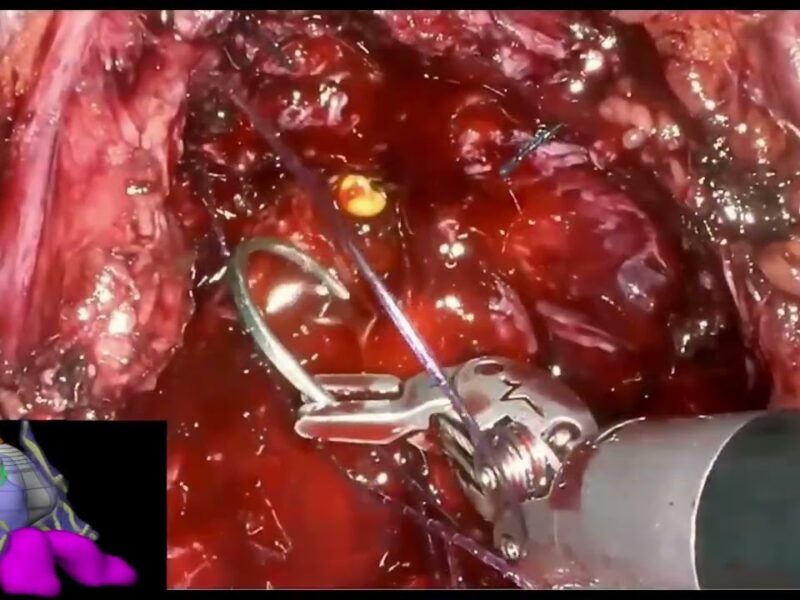
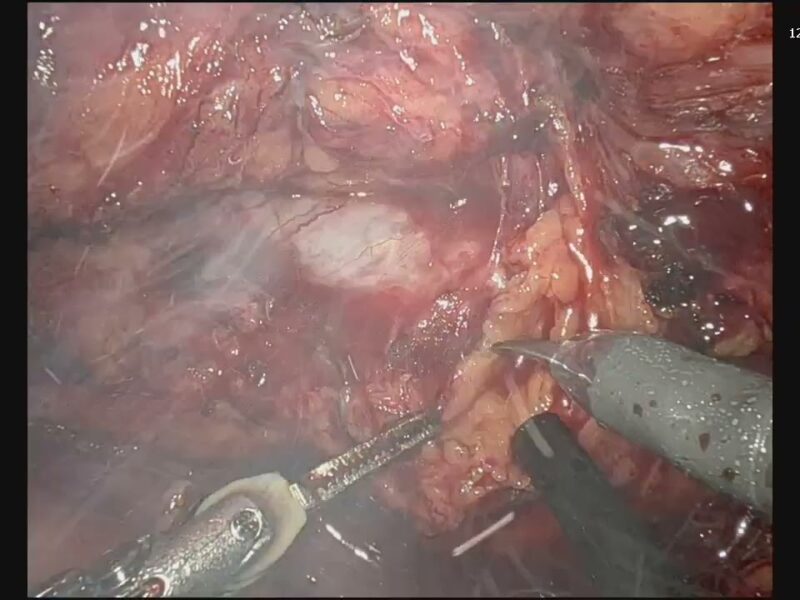
A 9-year-old male with neurogenic bladder and bowel secondary to caudal regression, presented with a small bladder capacity and severe detrusor-sphincter dyssynergia. Through a four-port robotic setup, all four procedures—augmentation ileocystoplasty, Mitrofanoff
appendicovesicostomy, bladder neck reconstruction (BNR), and tube cecostomy—were successfully completed in a single sitting. Key technical refinements included:
• Harvesting a 2 cm caecal cuff with the appendix to bridge length deficits for the Mitrofanoff channel, while utilizing the remaining caecal defect for a button tube cecostomy.
• Performing a hand-sewn bowel re-anastomosis.
• Performing sagittal (rather than coronal) bladder bivalving to optimize bladder neck tapering.
• Anchoring the reconfigured ileal patch centrally prior to continuous suturing, which improved tissue alignment, maintained traction, and significantly eased patch-to- bladder anastomosis.
Results:
Total operative duration was 370 minutes without adverse intraoperative events. Oral intake resumed on postoperative day 1, and the patient was discharged on day 5. The urethral catheter
was removed on day 12. On current follow-up, the child is completely continent, performing 4-hourly clean intermittent catheterization via Mitrofanoff channel.
Conclusion:
With appropriate patient selection and targeted technical modifications, consolidating four complex urologic procedures into a single robotic setting is safe and feasible, delivering superior surgical precision, minimal morbidity, and excellent early functional outcomes.
See more at: http://vattikutifoundation.com/
Date
August 15, 2020