
708:Robotic Level III IVC Thrombectomy Delayed occlusion of Proximal IVC technique Atanu Kumar Pal
This is one of the entries accepted for adjudication for the 2026 KS Innovation Awards, sponsored by the Vattikuti Foundation. Posting here does not imply being a Finalist.
Here is the Abstract:
Robotic Level-III-IVC Thrombectomy: Delayed-Occlusion of Proximal IVC Technique
Longer title: Robotic Radical Nephrectomy with Level III IVC Thrombectomy in Hostile Hepatobiliary Anatomy post Whipple’s Procedure: Application of the Delayed Occlusion of Proximal IVC (DOPI) Technique
Authors:
Dr Atanu Kumar Pal (p), Dr Chethan VN, Dr Biju Chandran, Dr Kishore TA
Aster Medcity, Kochi, Kerala, India
Presenting Author’s email: atanub879@gmail.com
(*p=Presenting author)
Purpose:
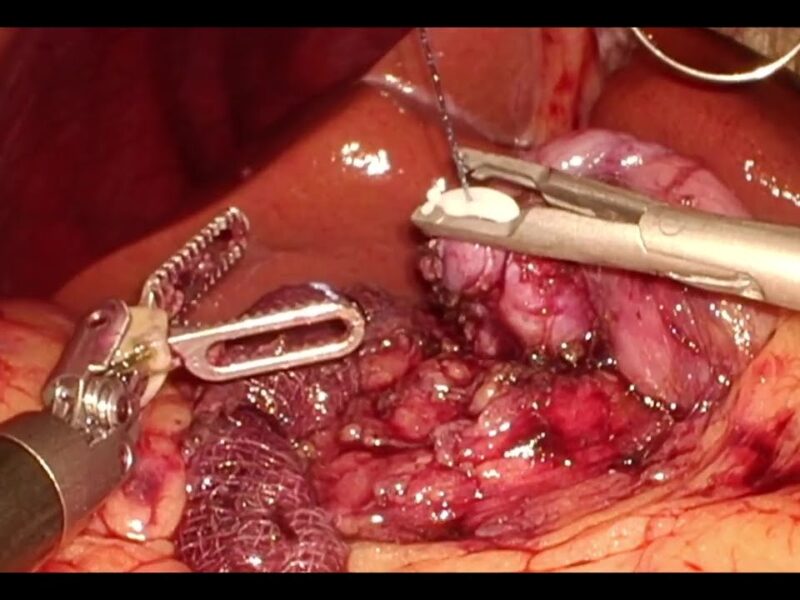
Robotic inferior vena cava (IVC) thrombectomy for locally advanced renal cell carcinoma (RCC) is technically demanding in patients with prior major hepatobiliary surgery. We present a surgical video demonstrating robotic level III IVC thrombectomy in a post-Whipple patient with extensive tumor thrombus extending into the retrohepatic IVC and right hepatic vein.
Methods:
A 64-year-old patient post Whipple’s procedure for cholangiocarcinoma, chemotherapy, and radiotherapy was diagnosed with right RCC with level III IVC thrombus after progression despite neoadjuvant Pembrolizumab and Lenvatinib therapy. Imaging demonstrated tumor
thrombus extending from the right renal vein into the retrohepatic IVC and right hepatic vein without distant metastasis. Robotic-assisted right radical nephrectomy with level III IVC thrombectomy was planned. Extensive adhesiolysis involving the liver, omentum, colon, and
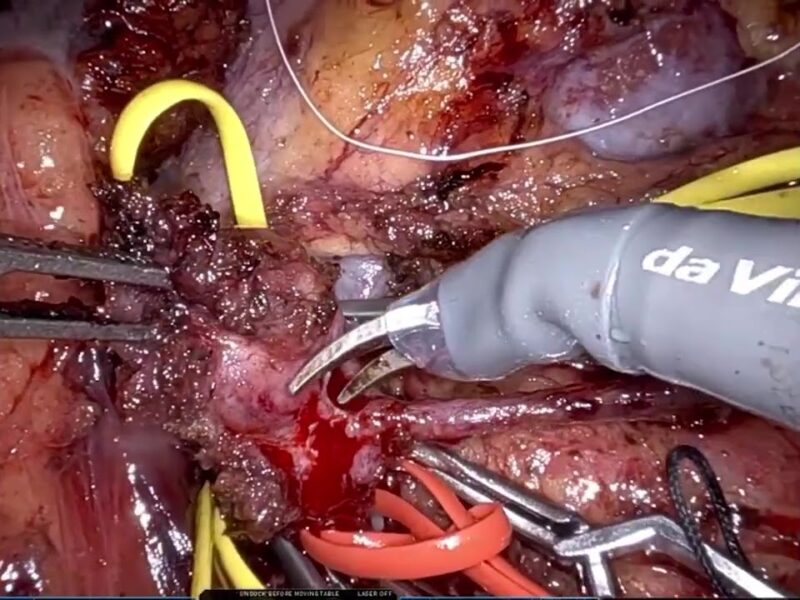
duodenum was required due to post-Whipple and post-immunotherapy changes. The porta hepatis was densely frozen from prior surgery, precluding Pringle maneuver or porta clamping. Therefore, thrombectomy was performed using the Delayed Occlusion of Proximal IVC (DOPI) technique. After vascular control, cavotomy and thrombectomy were completed. Estimated blood loss was 1800 mL
Results:
Postoperatively, the patient initially required mechanical ventilation support. He developed transient elevation of hepatic enzymes and urinary tract infection, both of which were managed conservatively. The patient subsequently improved clinically. He was discharged in stable
condition on postoperative day 10.
Conclusion:
Robotic level III IVC thrombectomy is feasible even in complex post-Whipple patients with hostile hepatobilliary anatomy. The DOPI technique provides an effective alternative when porta clamping is not possible in advanced caval thrombectomy.
See more at: http://vattikutifoundation.com/
Date
August 15, 2020