
720:Robotic Pelvic lymph node dissection post chemo-radiation-Alka Dahiya
This is one of the entries accepted for adjudication for the 2026 KS Innovation Awards, sponsored by the Vattikuti Foundation. Posting here does not imply being a Finalist.
Video title:
Robotic Pelvic lymph node dissection post chemoradiation
Primary Contact’s name:
Dr Alka Dahiya
Primary Contact’s institution name:
Apollo hospitals, New Delhi
Primary Contact’s email :
alvin27041988@gmail.com
Introduction
Salvage surgery for residual cervical cancer following definitive
chemoradiation presents a formidable surgical challenge due to
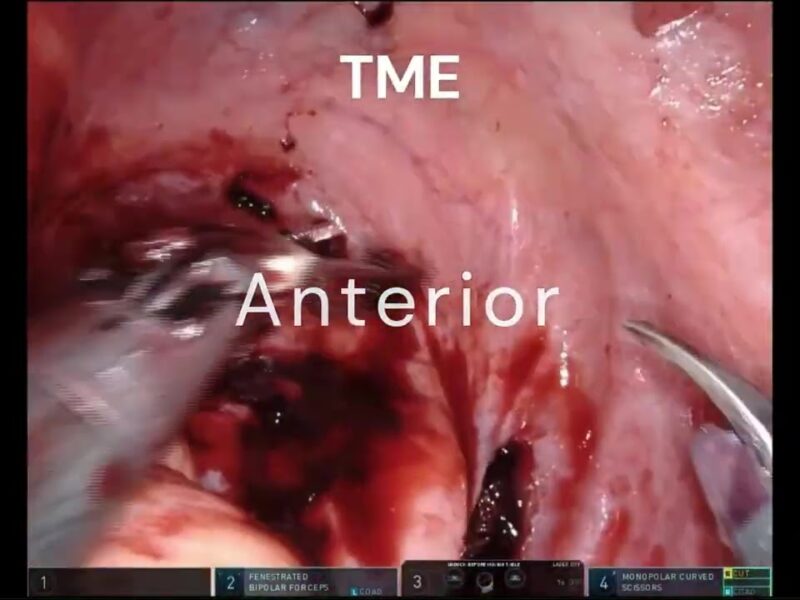
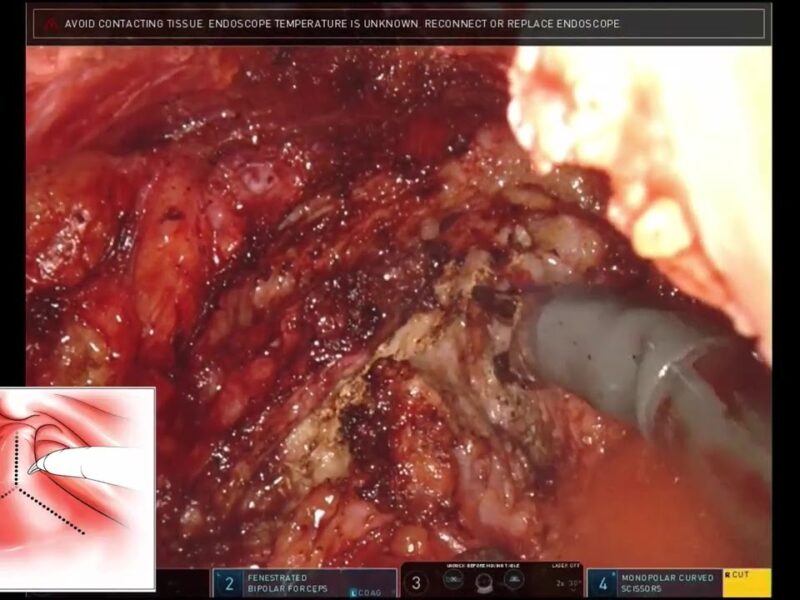
extensive tissue fibrosis, distorted anatomical planes, and compromised vascular integrity. This video demonstrates the technical nuances and safety steps of a robotic-assisted pelvic lymph node dissection for a large, fixed node densely adherent to the major pelvic vasculature.
Patient Case & Objective
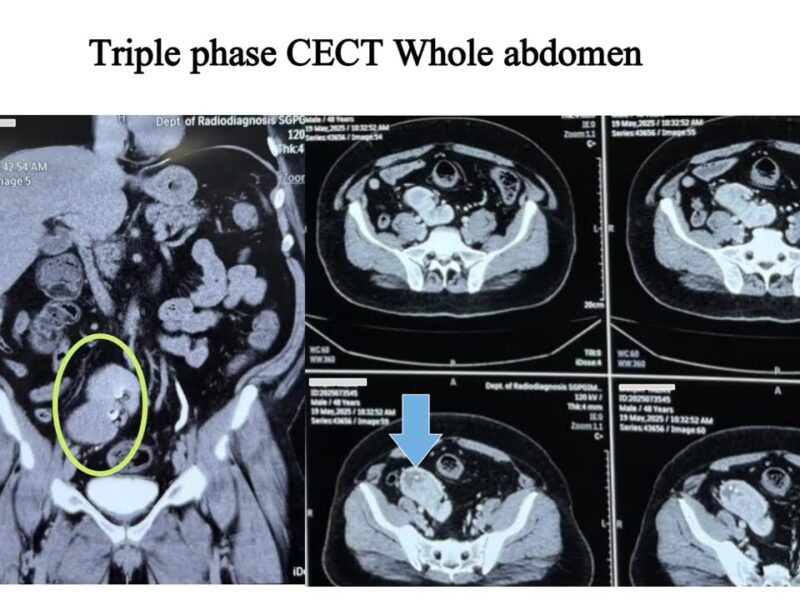
A 67-year-old female, known case of squamous cell carcinoma cervix
stage IIIC1 presented with persistent residual disease on the cervix and
a FDG-avid right 3 cm pelvic lymph node three months after completing
primary concurrent chemoradiation. She underwent a robotic radical
type C hysterectomy with bilateral pelvic lymph node dissection. The
primary objective of this video is to highlight the strategic dissection
required to safely isolate and resect the bulky, chemo-radiation-resistant
nodal mass from the external iliac vessels without causing catastrophic
vascular injury
Results & Outpatient Course
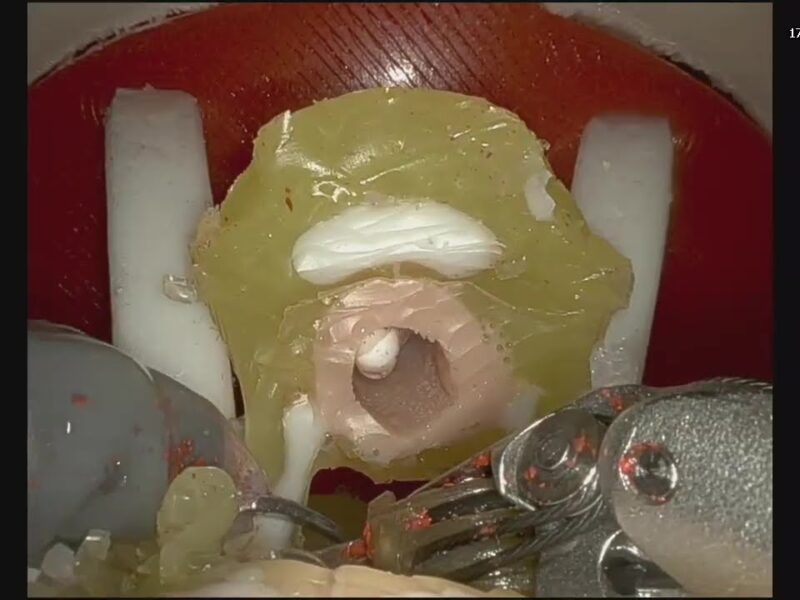
The robotic approach enabled complete R0 resection of the 3 cm
residual pelvic lymph node with zero intraoperative complications. The
patient had an uneventful postoperative recovery and was discharged on postoperative day. Final pathology confirmed residual disease with
negative surgical margins.
Conclusion
This video highlights that robotic salvage lymphadenectomy for post-
chemoradiation residual disease is feasible and safe when performed by experienced robotic surgeons. The superior magnification, tremor
filtration, and dexterity of the robotic system are critical assets when
dissecting dense, retroperitoneal fibrosis off major vascular structures.
See more at: http://vattikutifoundation.com/
Date
August 15, 2020