
790: Graft Ureter in Trouble Three Complex Problems, Three Surgical Solutions-Swapnil Singh Kushwaha
This is one of the entries accepted for adjudication for the 2026 KS Innovation Awards, sponsored by the Vattikuti Foundation. Posting here does not imply being a Finalist.
Here is the Abstract:
Video title: Graft Ureter in Trouble: Three Complex problems, The Surgical Solutions
The Robotic Reconstructive Spectrum in Post-Transplant Ureteric Complications
Primary contact’s name: Swapnil Singh Kushwaha
Primary contact’s institution name: Max Super Speciality Hospital, Vaishali, Ghaziabad (U.P.),
India
Primary contact’s email: kushwaha.swapnil@gmail.com
Introduction:
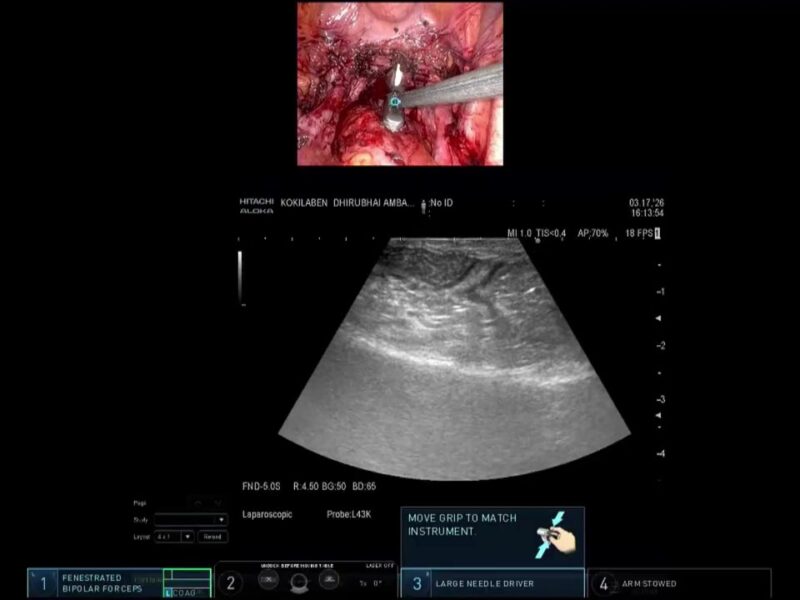
Post-transplant ureteric complications are challenging because adhesions, distorted anatomy and compromised ureteric vascularity make reconstruction difficult. We present an anatomy- driven robotic reconstructive spectrum using indocyanine green (ICG) fluorescence.
Methods:
Three patients underwent robotic reconstruction. Case 1 was a 50-year-old man with Grade V vesicoureteric reflux (VUR), recurrent UTI and graft dysfunction (creatinine 2.0 mg/dL) five years after transplantation. Following cystoscopic localization and ICG-guided dissection, robotic graft-to-native ureteroureterostomy was performed. Case 2 was a 46-year-old man with PUJ stricture and dysfunction (creatinine 1.5 mg/dL) one year after transplantation. Nephrostogram, RGP and flexible ureteroscopy confirmed PUJ stricture with a normal-caliber distal ureter, and robotic non-transecting Y-V flap pyeloplasty was performed. Case 3 was a 50-year-old man with distal ureteric/VUJ stricture, hydroureteronephrosis and creatinine 1.4 mg/dL eight months after transplantation. Robotic redo ureteric reimplantation was performed.
Results:
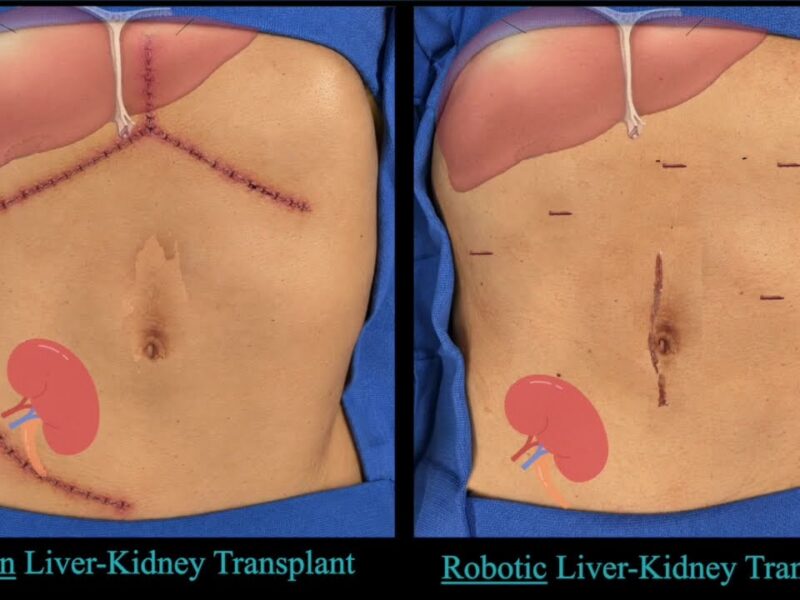
Nineteen patients developed ureteric complications (1.13%): 18 strictures and one Grade V VUR. Sixteen occurred after open and three after robot-assisted transplantation. Twelve
patients (63.2%) achieved resolution with endoscopic intervention, while seven (36.8%) required reconstruction; three were robotic and four open. Robotic procedures included ureteroureterostomy, Y-V flap pyeloplasty and ureteroneocystostomy. Mean follow-up was
18 months, with mean creatinine of 1.34 mg/dL after definitive management.
Conclusion:
Complex post-transplant ureteric pathology requires individualized reconstruction. Robotic surgery with ICG-guided localization enables precise, tissue-sparing dissection in a hostile transplant field and facilitates tailored strategies—bypass, reshaping and reimplantation—
with durable functional outcomes.
See more at: http://vattikutifoundation.com/
Date
August 15, 2020