

630 SGPGI sandwich Rocco technique in RARP
Dr. Sanjoy Sureka
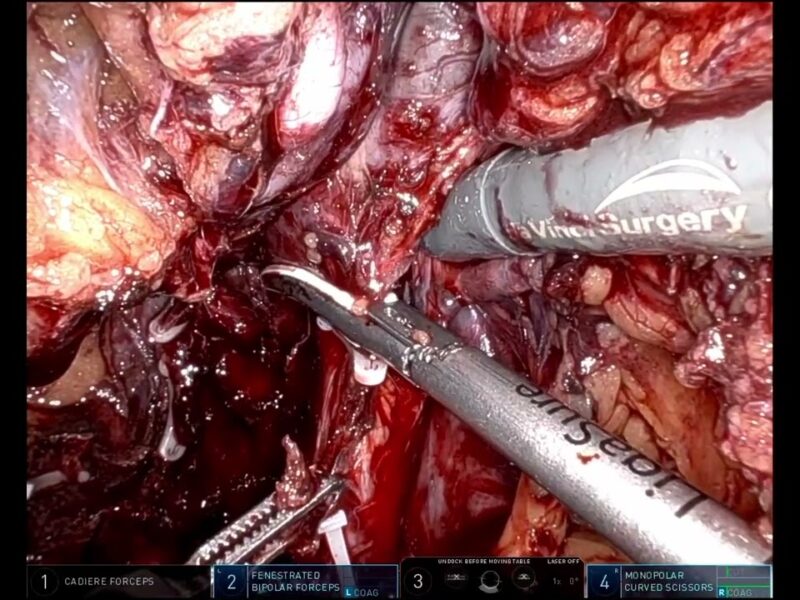
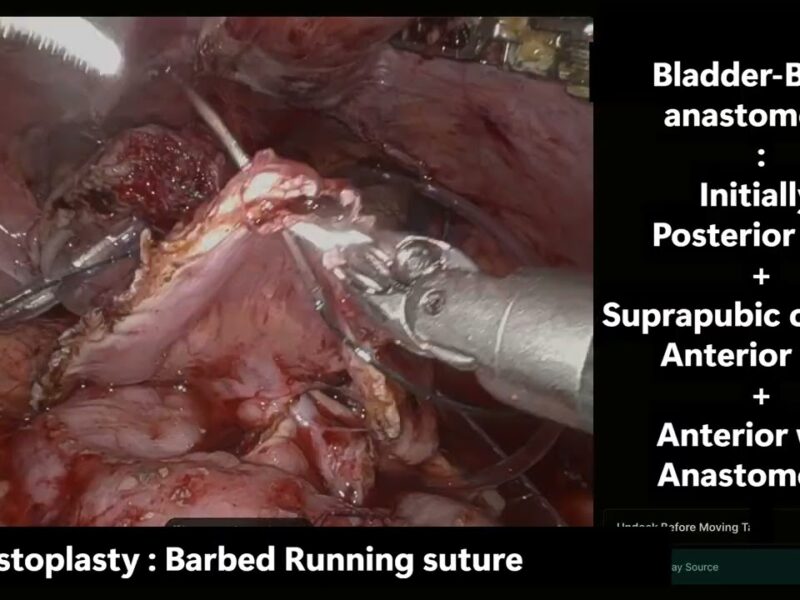
The Retzius-sparing approach to robotic radical prostatectomy improves early urinary continence by preserving anterior pelvic anatomy. Our institution developed a structured technique combining Retzius-sparing dissection with modified two-layer “Sandwich” reconstruction to optimize functional and technical outcomes. Our technique follows four key steps: 1.Retzius-Sparing Dissection: Posterior prostate access and removal while preserving anterior structures (puboprostatic ligaments, endopelvic fascia, dorsal vascular complex). 2.First Reconstruction Layer: Anterior suspension suture securing rhabdosphincter to bladder neck fibromuscular tissue 3.Vesicourethral Anastomosis: Tension-free anastomosis with running suture. 4.Second Reconstruction Layer: Posterior reconstruction approximating Denonvillier’s fascia to posterior median raphe using continuous suture—a “Reverse Rocco” technique adapted for robotic posterior view. Result This combined approach leverages Retzius-sparing benefits with structured two layer reconstruction. Intact anterior anatomy provides inherent support while additional reconstruction layers stabilize the vesicourethral junction, contributing to probable improved continence outcomes, technical ease during anastomosis and might lead to earlier removal of foley catheter.
Procedure Innovation, Urologic Surgery, RARP, robot assisted radical prostatectomy
See more at: https://vattikutifoundation.com/videos/
Date
August 15, 2020