

651 Seeing Nerves in 3D : MRI – DTI Prostate Model
Dr. Kinju Adhikari
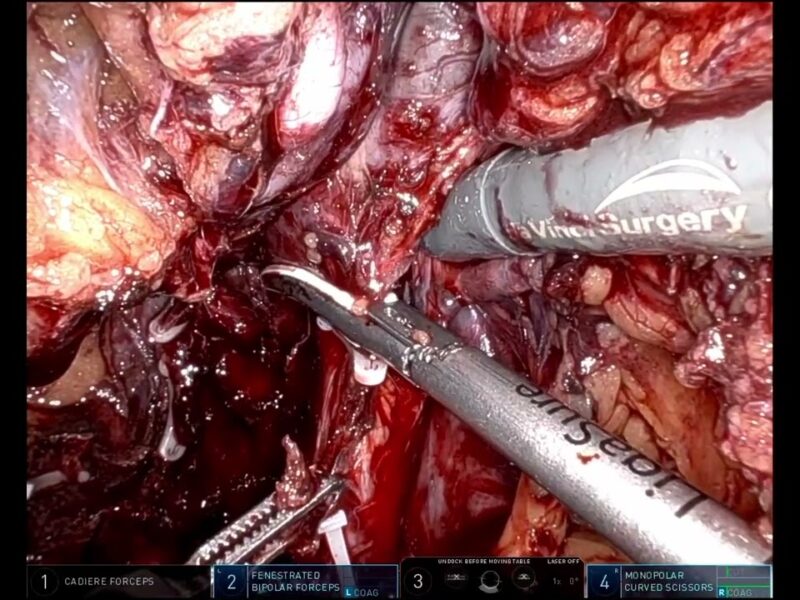
Problem : Unlike the kidney, prostate lacks reliable 3D anatomical model. Current MRI cannot delineate periprostatic nerve fibers or apex anatomy, leading to variability in surgical planning and risks to continence and potency. Although we have scaled up in vision with robotic prostatectomy, we still cannot visualize nerve fibres. Our biopsy, teaching students, the apical and urethral anatomy lacks 3D understanding. Solution : We developed patient-specific 3D prostate models integrating MRI with diffusion tensor imaging (DTI) tractography. These models visualize both prostate anatomy and neurovascular bundles, enabling surgeons to anticipate apical challenges, plan nerve-sparing strategies, guide biopsy targeting. Validation performed with intraoperative frozen section (NeuroSAFE) and final histopathology in 30 patients. solution’s innovation : First of its kind, integration of MRI DTI tractography in prostate to generate combined anatomical and functional 3D model. Provides roadmap for nerve fibres, apex, urethra, median lobe. potential scalability like AR/VR, focal therapy.
Technological Innovation, Imaging Modalities, robotic prostatectomy
See more at: https://vattikutifoundation.com/videos/
Date
August 15, 2020